12 Jul 2026
RNG Systems and Wager Thresholds Shape Slot Mechanics in Promotional Settings
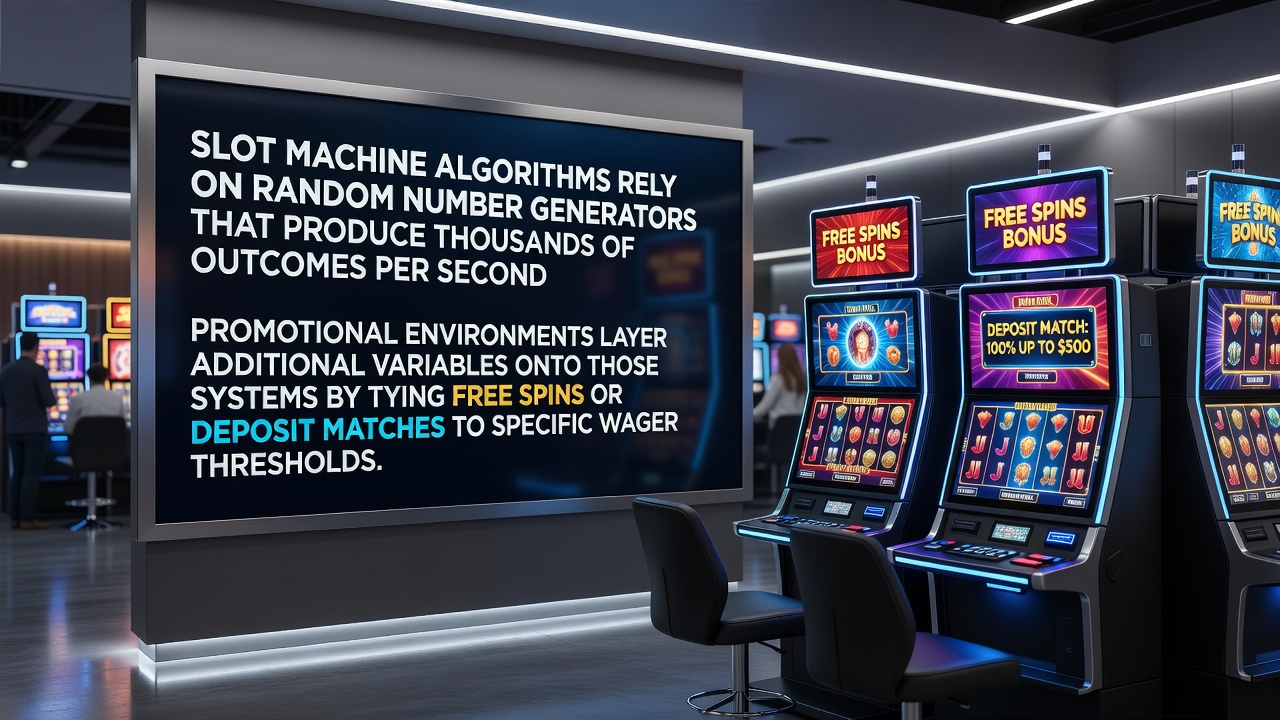
Slot machines operate through random number generators that cycle through thousands of potential results each second, creating independent outcomes on every spin regardless of prior results or player actions. These systems rely on complex algorithms tested and certified by regulatory bodies to ensure unpredictability, while promotional structures introduce variables by linking bonuses such as free spins and deposit matches to defined wager thresholds that players must meet before accessing winnings.
Core Functions of Random Number Generators in Slot Operations
Random number generators in modern slots function as pseudorandom processes that map numerical sequences to reel positions or symbol combinations at speeds exceeding 1,000 iterations per second according to data from multiple gaming laboratories. Each cycle produces a new value independent of external factors, and hardware or software implementations undergo continuous evaluation to maintain statistical fairness across extended play periods. Observers note that this continuous generation means the outcome for any given spin remains fixed the moment a player initiates the action, even if the reels continue their visual animation afterward.
Certification processes require operators to submit RNG code and hardware to independent testing facilities that verify long-term distribution patterns match expected probabilities for each symbol. Figures from the Nevada Gaming Control Board show routine audits occur at intervals that include both initial approval and ongoing monitoring, which confirms that promotional overlays do not alter the underlying generation sequence itself. Yet these same audits track how bonus conditions influence session length and total wagers placed once players enter promotional play modes.
Integration of Promotional Variables with RNG Outputs
Promotional environments attach conditions such as minimum deposit amounts or playthrough multipliers directly to bonus features, and these requirements determine when players gain access to additional spins or matched funds. The RNG continues its standard operation during these periods, yet the wager thresholds create layered decision points that affect how many spins occur before a player can withdraw any resulting credits. Research from the New Jersey Division of Gaming Enforcement indicates that operators must report separate metrics for base game activity versus bonus-triggered rounds to demonstrate compliance with these structures.
Free spin awards tied to specific deposit thresholds often trigger only after a player reaches a defined total stake, which means the RNG sequences generated during the qualifying wagers remain statistically identical to those in non-promotional play. Deposit match offers function similarly by crediting additional funds once a player completes the required deposit, after which the RNG governs all subsequent outcomes without modification. Data shows that these mechanics produce measurable shifts in average session duration because players extend play to satisfy the thresholds before the bonus becomes withdrawable.
Regulatory Oversight of Combined Systems in Mid-2026
By July 2026 several jurisdictions had updated reporting standards that require operators to disclose both RNG certification results and the precise wager thresholds attached to each promotional campaign. These rules emerged after earlier analyses revealed that certain bonus structures concentrated player activity into narrower ranges of total stakes, prompting regulators to request more granular data on how thresholds interact with game mathematics. Australian regulatory reviews, for instance, have examined similar patterns across state-licensed platforms and published aggregate statistics showing average playthrough completion rates for different bonus types.
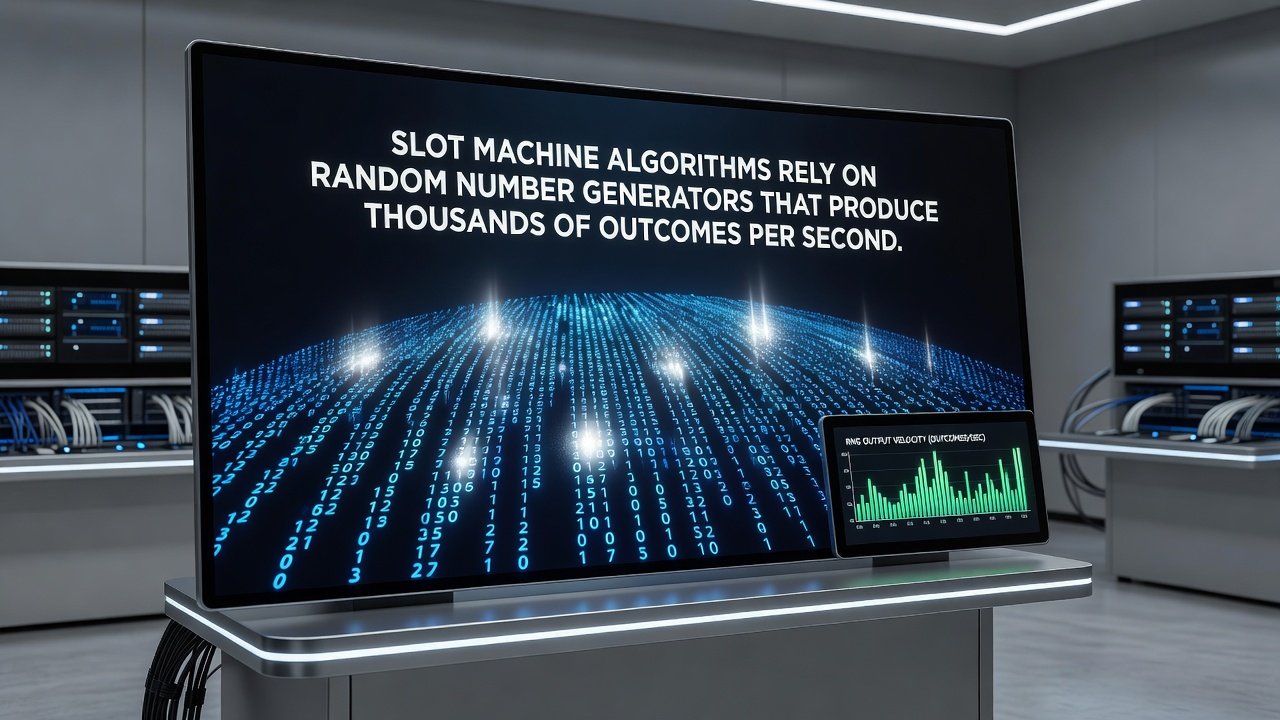
Operators must maintain logs that separate RNG output records from promotional accounting entries, and these records undergo periodic inspection to confirm that no algorithmic adjustments occur once a bonus activates. One study released through the Gambling Research Exchange Ontario examined data sets spanning multiple years and found that threshold-based promotions correlate with increased total handle without changing the per-spin probability distributions generated by the RNG. The findings underscore that the two systems operate in parallel rather than in direct modification of each other.
Player Behavior Patterns Under Threshold Conditions
Tracking data collected across mobile and desktop platforms reveals that players often adjust bet sizes or game selection once they enter a promotional period to accelerate progress toward wager thresholds. The RNG itself remains unaffected by these adjustments, yet the volume of spins generated during the qualifying phase increases measurably according to internal operator reports submitted to oversight agencies. Researchers tracking these patterns have observed that completion rates for bonus conditions vary by game type and by the size of the initial deposit match offered.
Session logging systems capture both the raw RNG sequences and the timestamped bonus triggers, which allows analysts to map how many additional outcomes occur between the deposit and the point at which the player satisfies the playthrough requirement. These maps demonstrate that the underlying randomness stays constant while the promotional layer simply extends the number of decisions a player makes before funds become eligible for withdrawal. Regulatory filings from several North American markets now include these combined data streams as standard components of quarterly submissions.
Technical Architecture Supporting Parallel Operation
Modern slot platforms separate the RNG module from the promotional accounting engine through distinct software layers that communicate only at defined checkpoints such as spin initiation and bonus crediting events. This separation ensures that promotional variables such as free spin counts or match percentages influence only the financial ledger adn not the numerical generation process. Industry standards documents published by testing laboratories emphasize that any cross-layer communication must remain read-only with respect to RNG outputs to preserve certification validity.
Database schemas used by operators record each RNG call alongside its associated promotional status flag, which enables auditors to verify that no correlation exists between bonus eligibility and outcome distribution. These schemas have grown more detailed since mid-2025 as regulators requested expanded fields to capture threshold progress in real time. The resulting records provide a clear audit trail that shows the RNG operating at its certified speed while promotional conditions accumulate independently on the player account level.
Conclusion
Random number generators continue to generate thousands of outcomes per second in every licensed slot environment, and promotional structures add wager thresholds that determine access to free spins or deposit matches without altering those generation sequences. Regulatory frameworks established by July 2026 require transparent reporting of both elements, which allows oversight bodies to confirm that statistical integrity remains intact while accounting for how bonus conditions shape total wagering volume. The parallel operation of these systems produces measurable effects on session metrics that operators must document for compliance purposes across multiple jurisdictions.