2 Jun 2026
Resorts World Navigates Tax Dispute With New York Gaming Commission Over Horseracing Payments

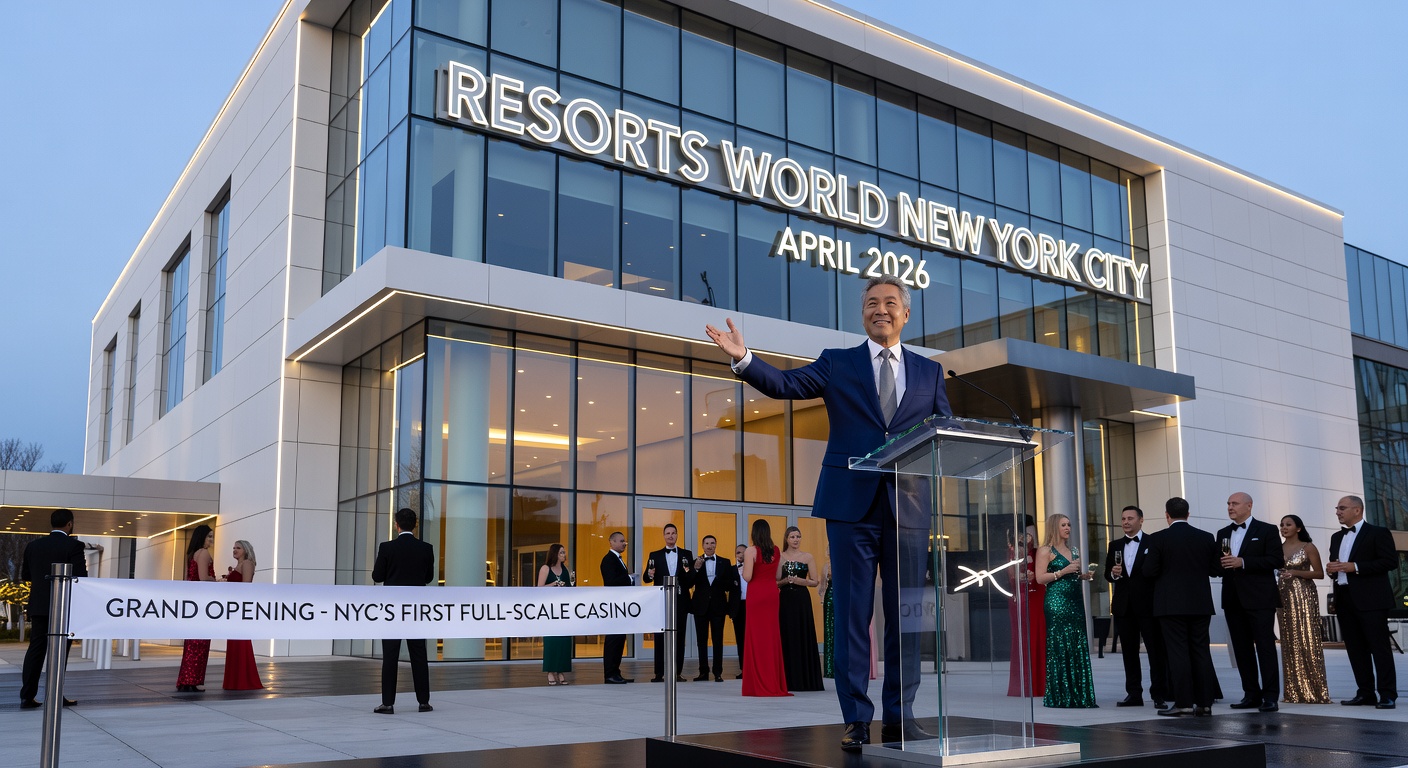
Resorts World opened New York City’s first full-scale casino in April 2026, and observers note that the facility now sits at the center of a financial disagreement with the state Gaming Commission regarding required support payments to the horseracing industry. Those payments could exceed $500 million across the next four years until additional licensed casinos begin operations, and the disagreement centers on whether those contributions fall inside or outside the company’s agreed 56 percent tax rate.
Background on the Casino Opening and Tax Structure
State records show that Resorts World secured its license through a competitive bidding process where operators proposed tax rates on gaming revenue, and the company’s winning bid established a 56 percent rate that covers standard commercial gaming obligations according to the Commercial Casinos webpage. This rate applies to revenue generated from slot machines, table games, and related activities at the Queens location, yet the current dispute arises because state officials require separate contributions to support horseracing operations across New York.
Those contributions function as a mechanism to stabilize the racing sector during the period when only one full-scale casino operates in the city, and regulators have calculated that the total amount could surpass half a billion dollars before other facilities open and share the burden. Resorts World maintains that these payments should integrate into the existing tax framework rather than stand as an additional expense, while the Gaming Commission treats them as distinct obligations that sit outside the bid rate.
Details of the Payment Dispute
Company representatives have argued that including the racing support amounts within the 56 percent rate aligns with the original bid terms and prevents an unexpected increase in overall tax liability, whereas state officials counter that the payments represent a separate statutory requirement tied to industry support rather than general gaming taxation. This distinction matters because it affects how much revenue Resorts World retains after opening, and both sides have exchanged positions through formal channels since the casino began operations.
Data from regulatory filings indicate that the four-year window extends until competing casinos receive licenses and start contributing to the same support fund, at which point the per-casino share would decrease. Resorts World has responded by drafting proposed legislation that would redirect the required payments directly from the commercial gaming revenue fund instead of requiring the operator to cover them separately, and this approach would effectively fold the costs into the existing revenue pool without altering the base tax rate.
Legislative staff have begun reviewing the proposal, and early discussions suggest it could receive consideration during upcoming sessions if stakeholders reach consensus on the fund allocation method. Those who have examined similar arrangements in other states note that dedicated revenue funds often serve as buffers during market transitions, and the New York model follows a comparable pattern while the city’s casino landscape remains limited to a single operator.
Stakeholder Positions and Proposed Resolution
The Gaming Commission has emphasized that horseracing support payments fulfill a longstanding policy goal of preserving jobs and breeding programs tied to the racing industry, and officials maintain that these funds must remain distinct to ensure consistent allocation regardless of how many casinos operate. Resorts World, by contrast, highlights that absorbing the payments within the bid tax rate would maintain the financial projections presented during licensing and avoid double-counting revenue streams that already flow to the state.
Industry analysts have tracked how the proposed legislation would amend existing statutes to authorize direct draws from the commercial gaming revenue fund, and this change would shift the administrative burden while preserving the total amount directed toward racing support. Figures released by the commission show that the payments scale with overall gaming revenue, which means higher casino performance would increase the absolute dollar amount transferred even as the percentage structure stays fixed.
Observers point out that the timing of the dispute coincides with the casino’s first months of operation, when revenue patterns are still stabilizing and operators are adjusting to regulatory expectations. The company’s legislative proposal includes language that would clarify the treatment of these payments for future license holders as well, potentially setting a precedent for how similar obligations are handled once additional casinos open in the region.
Regulatory Context and Next Steps
State law requires commercial casinos to contribute to racing support through mechanisms established when the gaming expansion framework was created, and the current disagreement tests how those requirements interact with bid-specific tax rates. Resorts World has continued operations while pursuing the legislative fix, and commission staff have indicated they will enforce the payments as separate obligations until any statutory change takes effect.
Meetings between company executives and regulators have occurred since June 2026, and both parties have exchanged detailed calculations showing the projected impact of different interpretations over the four-year period. The proposed legislation remains the primary avenue for resolution, and its progress will determine whether the payments stay outside the 56 percent rate or become integrated through the revenue fund mechanism.
Conclusion
The disagreement between Resorts World and the Gaming Commission illustrates how specific statutory requirements can intersect with bid-based tax structures during the early phase of casino expansion in New York City. The proposed legislation offers one pathway to align the racing support payments with existing revenue streams, and the outcome will shape financial obligations for the operator until additional facilities open and distribute the load more broadly across the commercial gaming sector.