7 Jun 2026
Regulatory Adjustments Reshaping Jackpot Allocations in Mobile Gaming Systems
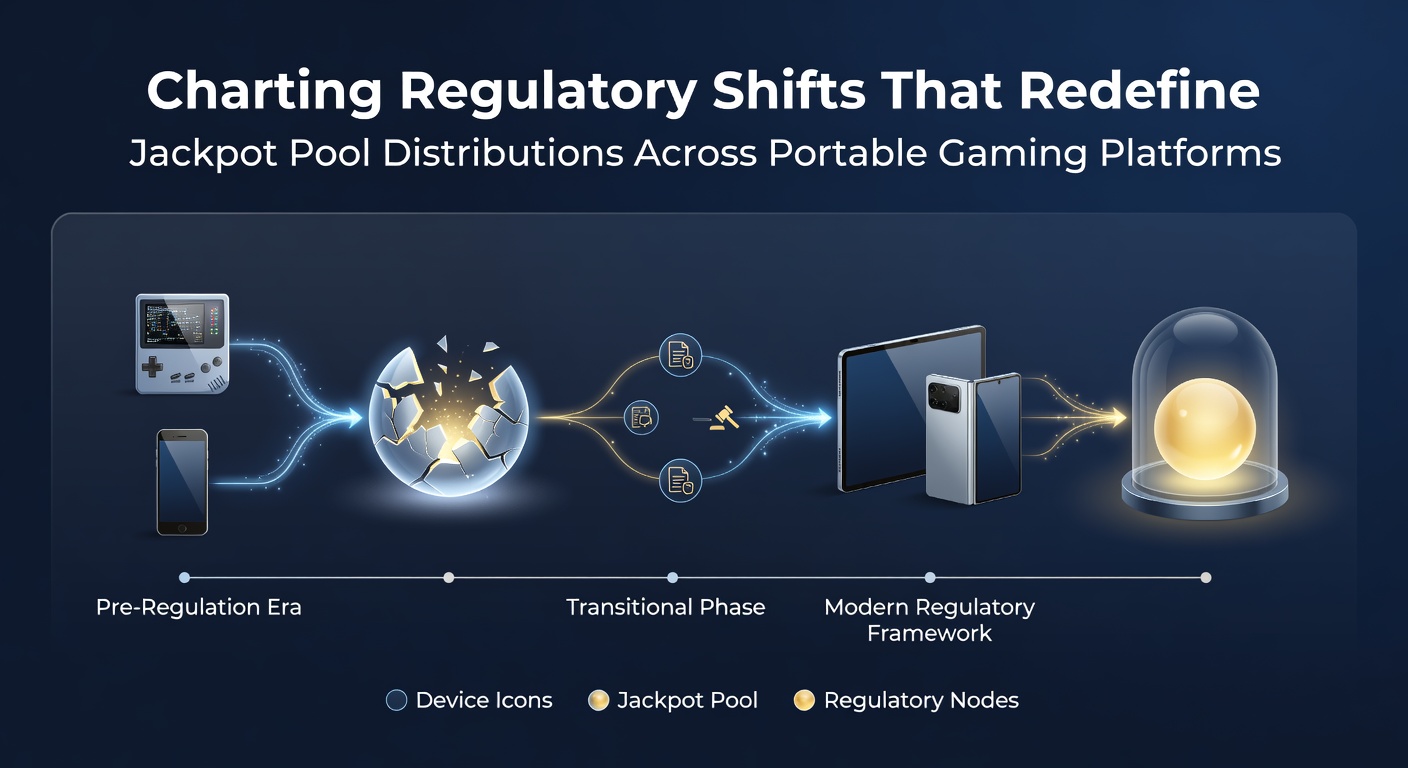
Regulatory frameworks governing jackpot pool distributions have undergone notable modifications in several jurisdictions during 2026, with particular emphasis on portable gaming platforms that operate across state and national boundaries. These adjustments stem from legislative actions and oversight committee decisions that address how pooled funds accumulate and disburse when players participate via smartphones and tablets.
Key Jurisdictional Updates in Mid-2026
Officials in multiple regions finalized new guidelines throughout spring 2026 that directly influence how operators calculate contributions to shared jackpot systems. Data compiled by the Nevada Gaming Control Board indicates that portable platform operators must now allocate a revised percentage of wagers to progressive pools when games cross device types, a change that took effect in early June 2026. Similar provisions appear in updates issued by the New Jersey Division of Gaming Enforcement, where compliance reporting now requires separate tracking for mobile-initiated bets versus those placed on stationary terminals.
Those tracking these developments note that the June 2026 implementations introduced standardized formulas for determining pool eligibility. Operators must verify that jackpot contributions reflect actual wager amounts rather than aggregated session totals, which alters distribution patterns for games featuring carryover prizes. Industry reports from the Gaming Standards Association highlight how these formulas reduce discrepancies that previously arose when players switched between tablet and phone interfaces during a single session.
Impact on Cross-Border Pool Management
Portable gaming platforms often connect users from different regulatory zones to the same jackpot pool, creating complexities that recent rules aim to resolve. According to analyses published by the Australian Communications and Media Authority, revised protocols require operators to segment contributions based on the player's registered jurisdiction at the time of each wager. This segmentation prevents over-allocation when international users participate in shared pools that originated under one set of contribution rates.
Evidence from compliance audits shows that platforms adopting these segmented models experienced smoother transitions when new rules activated in June 2026. Operators reported fewer disputes over prize eligibility because distribution calculations now incorporate location-based weighting factors. Researchers examining these systems have documented how such weighting maintains fairness across varying tax and fee structures that apply in different regions.
Technical Compliance Requirements for Operators
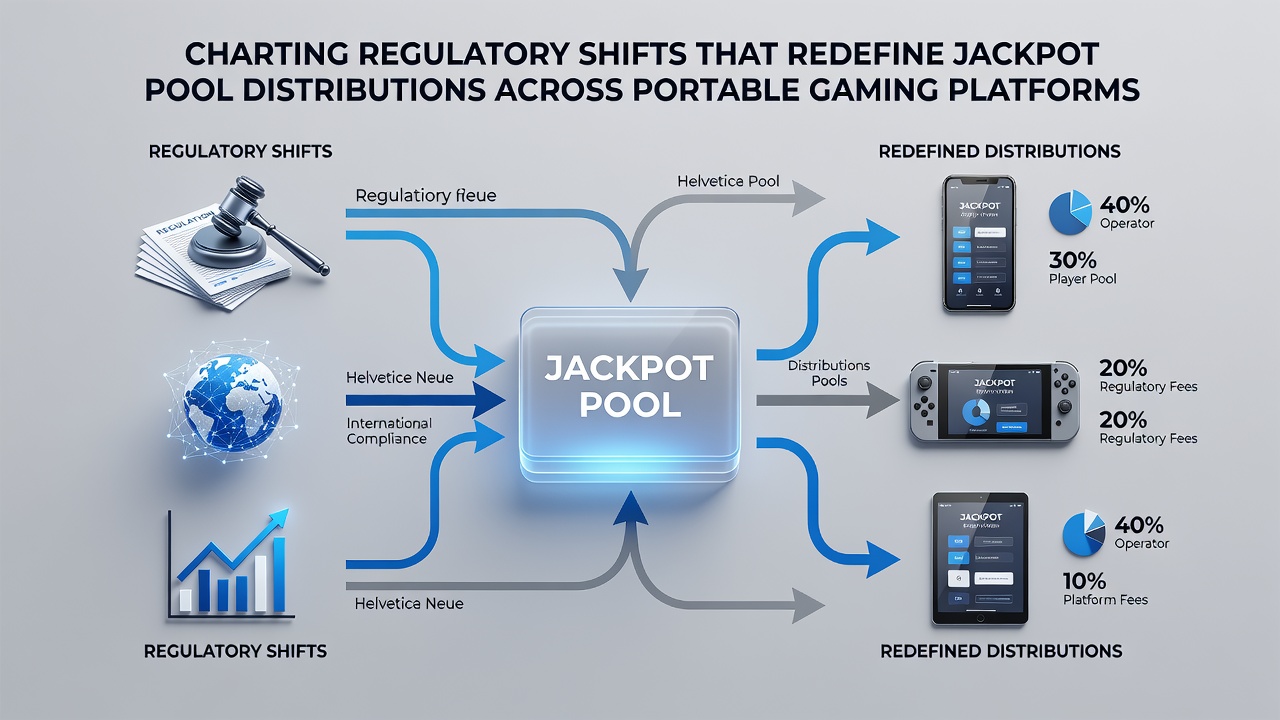
Platform developers have responded to the regulatory shifts by updating backend systems that manage real-time pool contributions. One study released through the European Gaming and Betting Association examined how software modifications ensure that each mobile transaction logs the applicable contribution rate before funds enter the shared pool. These modifications include timestamp verification and device-type flags that feed directly into distribution algorithms.
Figures released by state oversight bodies reveal that operators who completed system upgrades before the June 2026 deadlines encountered fewer audit flags during subsequent reviews. The changes also mandate clearer disclosure to players regarding how portable play affects their eligibility for specific jackpot tiers, a requirement that appears consistently across updated licensing conditions in several markets.
Observed Patterns in Distribution Outcomes
Early data from the first months following the regulatory adjustments show shifts in average payout frequencies for mobile-connected jackpot games. Observers monitoring these patterns point to increased granularity in how pools replenish after major wins, with contributions now calibrated more precisely to device-specific play volumes. This calibration stems directly from the requirement that operators separate mobile and desktop contributions within the same game title.
Those reviewing industry statistics note that certain jackpot types experienced faster growth rates under the new rules because portable platforms captured higher percentages of overall play volume. Compliance records indicate that operators adjusted marketing strategies around these distribution changes without altering game mathematics, focusing instead on transparent communication of pool mechanics.
Conclusion
Regulatory shifts implemented through June 2026 have established clearer parameters for jackpot pool management across portable gaming platforms, with documented effects on contribution calculations, cross-border segmentation, and compliance reporting. Data from multiple oversight agencies continues to track how these parameters influence distribution outcomes as operators refine their systems in response. The adjustments reflect ongoing efforts to align mobile gaming practices with established oversight standards while maintaining operational consistency across devices.