28 Jun 2026
Payout Models Directing Game Selections During Mobile Gaming Promotions
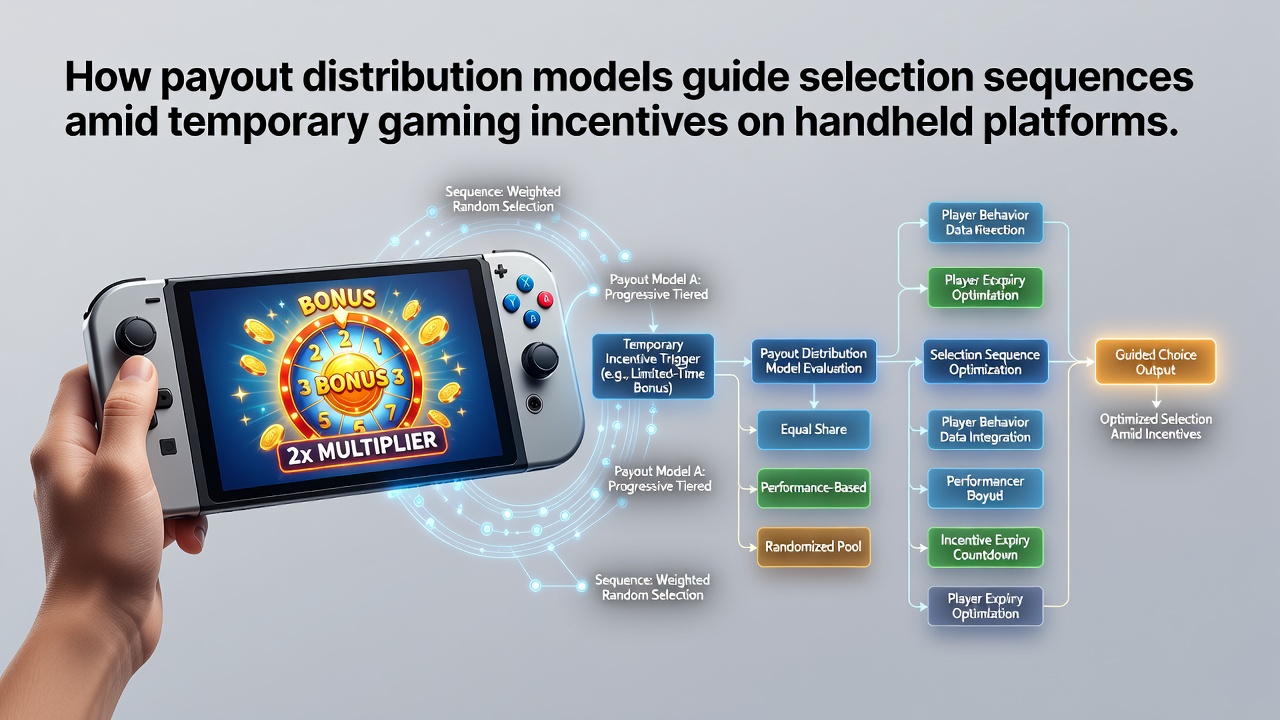
Handheld platforms have transformed how players encounter temporary gaming incentives, and payout distribution models play a central role in shaping the sequences they follow when selecting games. These models outline the frequency and size of returns across different titles, which in turn influences decisions during limited-time offers such as deposit matches or free spin bundles that appear on phones and tablets throughout 2026.
Data from mobile operators shows that players often sort available options by expected value calculations derived from payout tables. When incentives attach to specific titles, those calculations shift because the effective return-to-player percentage rises for the duration of the promotion. Selection sequences therefore prioritize games where the model already favors steady smaller payouts rather than infrequent large ones, since the added incentive amplifies the steadier pattern.
Core Elements of Payout Distribution in Mobile Settings
Distribution models break down into several measurable components that appear directly in game information screens on handheld devices. Hit frequency indicates how often any return occurs, while variance describes the spread between small and large outcomes. During promotional windows operators adjust visibility of these metrics, so users see updated ranges that reflect the temporary boost. Research from the University of Nevada Reno Gaming Laboratory indicates that when hit frequency sits above 25 percent, players complete more selections within a single session even after the incentive expires.
Operators publish these figures through standardized formats that comply with requirements from bodies such as the Nevada Gaming Control Board and the Malta Gaming Authority. The formats allow direct comparison across titles, which streamlines the sequence a user follows when scanning dozens of options on a small screen. In June 2026 several major platforms introduced side-by-side comparison tools that pull live payout data, reducing the time spent moving between games.
Selection Sequences Under Temporary Incentives
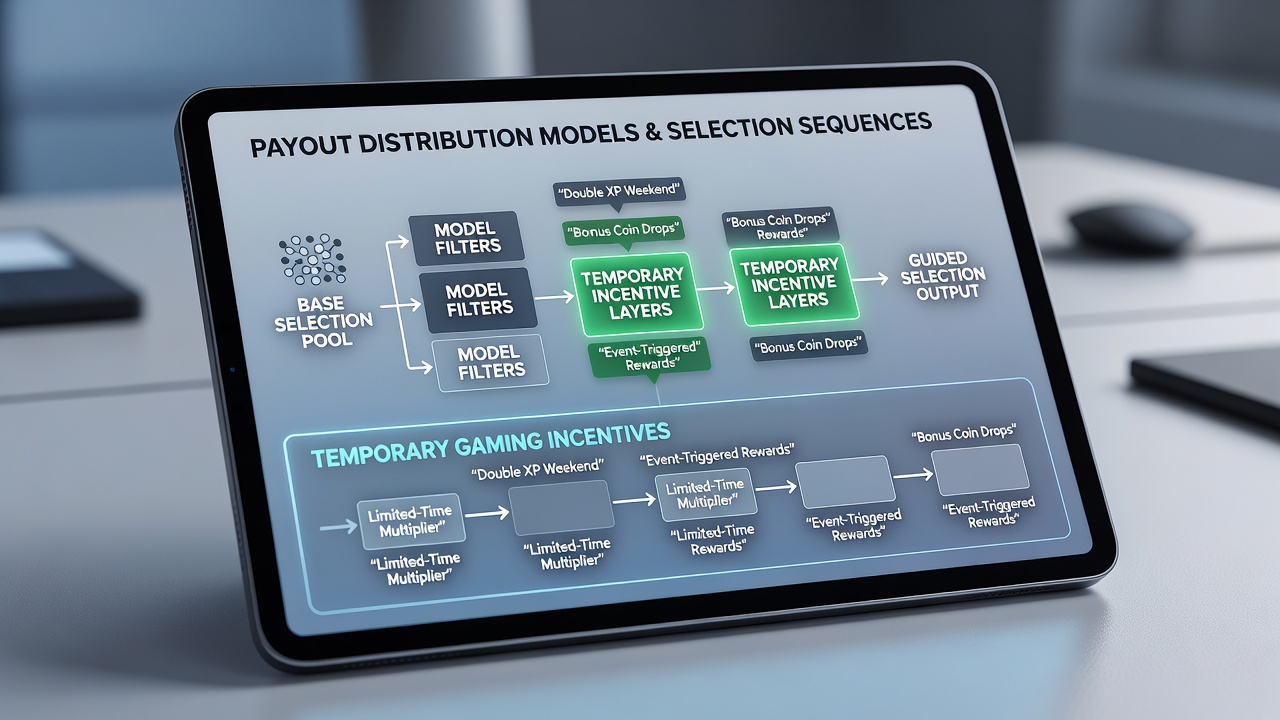
Players typically begin with a broad filter that isolates games offering current incentives, then narrow further by payout characteristics. Short sessions on handheld devices favor models that deliver returns within the first 50 spins, because users often exit if early outcomes fall below a threshold set by the incentive size. Case examples from operator analytics reveal that titles with medium variance and hit rates between 20 and 30 percent retain users longer once a time-limited reward activates.
Yet sequences do not always follow linear paths. Some users jump between three or four titles in rapid succession, testing each against the same payout model to identify which one converts the incentive into the quickest visible return. This pattern appears most clearly in table-game simulations where payout distributions remain fixed across hundreds of rounds, allowing quick mental recalculations when a bonus multiplier applies for a limited window.
Regional Regulatory Influences on Model Presentation
Regulators in different jurisdictions require distinct levels of disclosure for payout models, which affects how selection sequences unfold on the same handheld platform. The Alcohol and Gaming Commission of Ontario mandates clear display of both theoretical and actual returns for the preceding month, while the Australian Communications and Media Authority focuses on probability statements tied to each incentive type. These variations create regional differences in the order players encounter information, even when the underlying game mathematics stay identical.
Industry reports compiled by the European Gaming and Betting Association further show that standardized labeling of distribution categories helps reduce confusion during cross-border promotions. When a user travels or switches devices, the familiar categories allow continuation of similar selection logic without relearning each model from scratch.
Interaction With Session Length and Reward Triggers
Temporary incentives often tie to session milestones such as reaching a set number of spins or depositing within a 24-hour window. Payout models that front-load returns align with these triggers, producing sequences where players select the same title repeatedly until the milestone completes. Analytics platforms record higher repeat-selection rates for low-to-medium variance games during such campaigns, because the model supports steady progress toward the reward threshold.
Observers note that handheld interfaces reinforce this behavior through persistent progress bars that update after each round. The visual cue connects directly to the payout distribution, reminding users which selections maintain momentum toward the next incentive stage. When variance rises above a certain level the progress bar stalls more often, prompting users to switch titles mid-sequence.
Conclusion
Payout distribution models therefore serve as both map and filter for selection sequences on handheld platforms during temporary incentives. They translate mathematical properties into visible decision points that users navigate quickly on small screens, while regulatory disclosures from multiple regions ensure those properties remain comparable. As platforms continue to refine comparison tools and progress indicators, the connection between model structure and player pathways grows more direct, shaping how incentives translate into sustained engagement across mobile environments.