18 Jun 2026
Mapping Player Engagement Cycles Through Session Lengths and Reward Triggers in Online Table Simulations
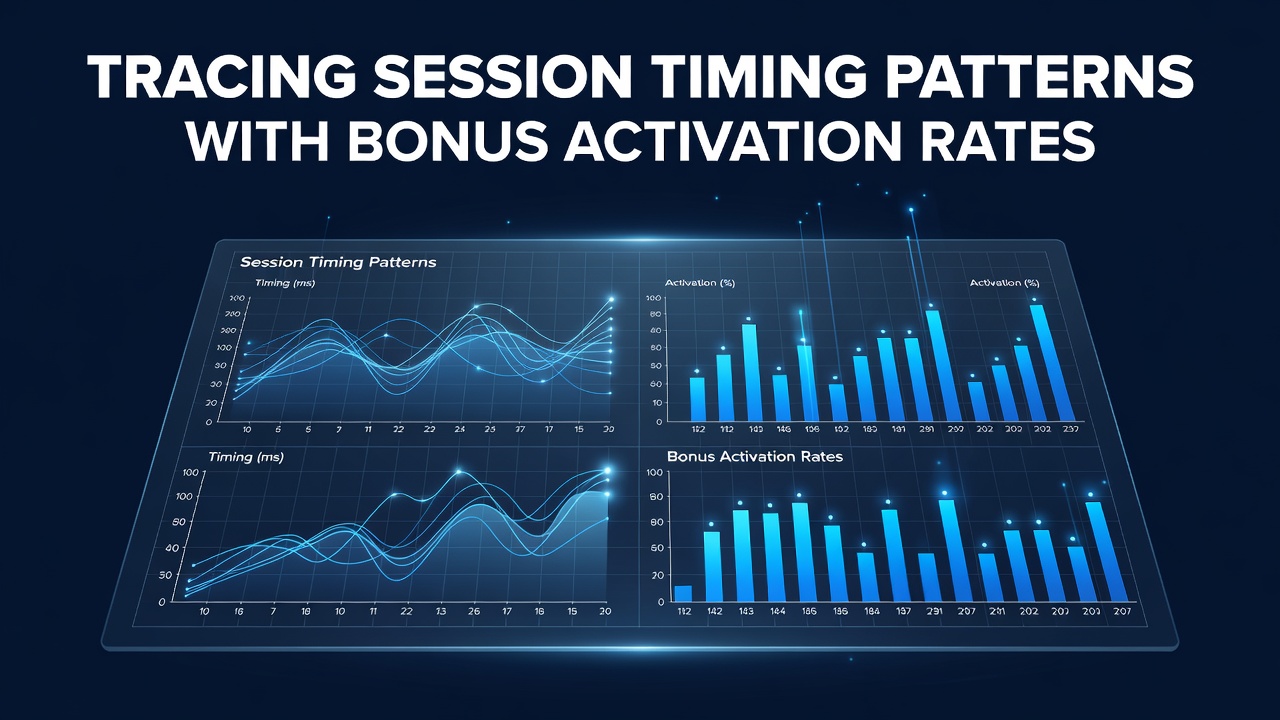
Operators track session timing patterns alongside bonus activation rates to understand how players interact with virtual table games such as blackjack, roulette, and baccarat, and data collected through platform analytics shows distinct clusters where shorter sessions under twenty minutes correlate with lower bonus trigger frequencies while extended play periods beyond forty-five minutes exhibit higher activation densities. Researchers at several gaming analytics firms have compiled logs from North American and European operators that reveal these distributions remain consistent across multiple software providers when normalized for stake levels and game variants.
Defining Core Metrics in Virtual Table Tracking
Session length gets measured from login to logout or from initial bet to final cashout, and bonus activation rate counts the number of triggered rewards divided by total hands or spins completed during that window. Observers note that virtual table environments generate timestamped event streams at millisecond precision, which allows segmentation into micro-intervals that highlight acceleration points where bonus mechanics engage. According to reports issued by the New Jersey Division of Gaming Enforcement, aggregated operator submissions from the first half of 2026 indicate average session durations hovering near thirty-two minutes with bonus events occurring once every eighteen hands on average in standard blackjack rooms.
Observed Patterns Across Different Time Windows
Analysis of June 2026 platform datasets reveals morning sessions between 8 a.m. and noon display tighter clustering around the fifteen-to-twenty-five-minute mark with bonus rates climbing after the eighth hand, whereas evening blocks after 8 p.m. stretch longer and show bonus triggers spaced further apart initially before accelerating near the thirty-minute threshold. These shifts appear tied to player volume rather than algorithmic changes, and similar distributions surface in roulette environments where wheel spin intervals replace card draws yet produce comparable timing-to-activation curves.
One study released by the Centre for Gambling Research at the University of Sydney examined anonymized logs from Australian-licensed virtual tables and found that sessions ending between twenty and thirty minutes carried the highest probability of at least one bonus round activation, reaching 67 percent across sampled accounts. The same research noted that sessions shorter than ten minutes rarely exceeded a 12 percent activation rate, suggesting early exits often precede the completion of required wagering thresholds embedded in promotional structures.
Technical Approaches to Pattern Extraction
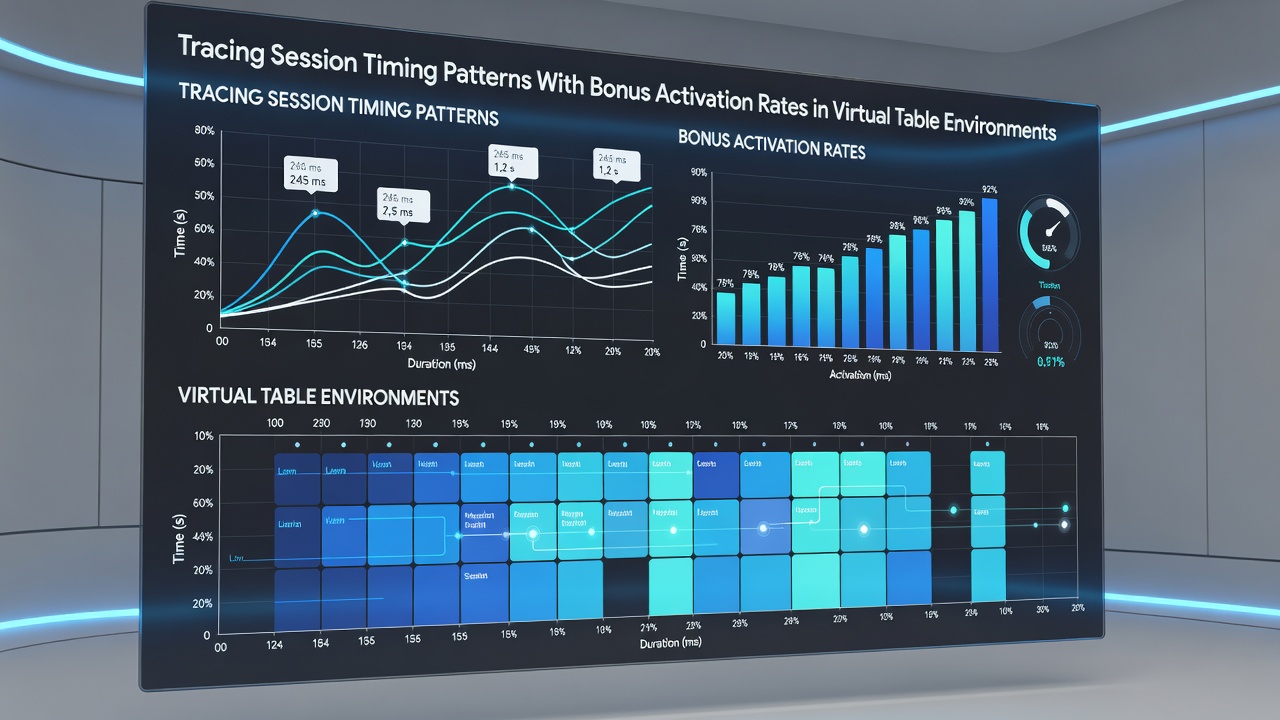
Data scientists apply survival analysis techniques borrowed from reliability engineering to model the time until first bonus trigger, treating each hand as a discrete trial while incorporating covariates such as average bet size and game speed. Decision trees built on these features help classify whether a session will reach bonus activation within specific time brackets, and cross-validation against hold-out data from 2025 shows accuracy rates above 78 percent when restricted to blackjack variants. Heat maps generated from aggregated European operator feeds further illustrate how table limits influence these timelines, with higher-limit rooms producing longer median sessions before bonus events register.
Integration With Platform Compliance Requirements
Regulators in multiple jurisdictions now request periodic summaries of session timing and bonus activation distributions as part of ongoing oversight of promotional fairness, and the Alcohol and Gaming Commission of Ontario began requiring quarterly submissions in early 2026 that break down these metrics by player tier. Platforms respond by embedding automated export routines that preserve player anonymity while delivering the requested aggregates, allowing authorities to verify that bonus structures do not disproportionately favor extended play in ways that contradict stated terms. These filings also support audits of random number generator outputs mapped against observed activation timing, confirming that statistical expectations align with delivered results.
Comparative Insights From Mobile and Desktop Environments
Device-level logging reveals modest differences in session timing distributions, with mobile sessions averaging four minutes shorter yet maintaining nearly identical bonus activation density once normalized for hands played. Desktop environments show slightly higher variance in session length, attributed to multi-tabling behaviors that extend total exposure without proportionally increasing per-table bonus triggers. Industry reports compiled by the European Gaming and Betting Association document these patterns across operators serving overlapping user bases, indicating the trends persist regardless of front-end presentation.
Conclusion
Tracing session timing patterns together with bonus activation rates supplies operators and regulators with measurable indicators of how virtual table environments structure player engagement, and continued refinement of analytical methods through 2026 supports more granular compliance monitoring while preserving operational transparency. The data streams generated by these platforms continue to offer structured opportunities for examining the relationship between time spent and reward frequency without requiring subjective interpretation of individual behavior.