26 Jul 2026
Incentive Design Patterns Guiding Player Selections in Digital Slot Platforms
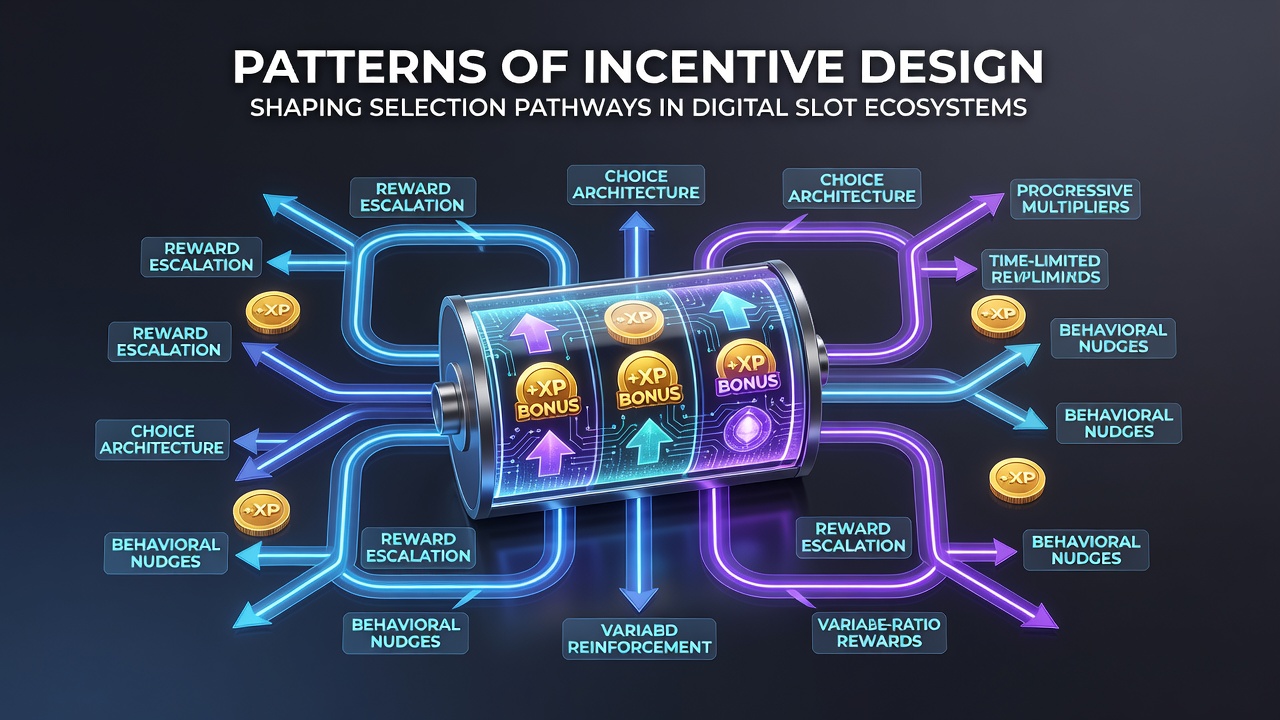
Digital slot ecosystems rely on layered incentive frameworks that channel user navigation toward specific titles and session behaviors, and these structures have grown more sophisticated as platforms compete for engagement across mobile and desktop environments. Data from industry reports shows that operators deploy combinations of free spin allocations, tiered loyalty multipliers, and time-limited multipliers to steer selections away from high-volatility options toward steadier titles during promotional windows, while players encounter these cues through in-app prompts and personalized dashboards.
Core Components of Incentive Architecture
Operators structure incentives around entry-level triggers such as deposit matches and daily login rewards that funnel initial choices toward featured games with elevated return-to-player percentages during the bonus window, and these mechanisms often integrate with loyalty points that accumulate faster on selected titles. Research indicates that when a platform attaches bonus funds to games within a narrow volatility band, selection rates for those titles rise measurably within the first thirty minutes of a session, whereas titles outside the promoted set see reduced traffic even when their base mathematics remain competitive.
Seasonal campaigns further refine these pathways by rotating featured content every two weeks, and operators track which incentive clusters produce sustained play across multiple days. In July 2026 several North American platforms adjusted their loyalty accrual formulas to reward consecutive daily logins on mid-volatility titles, producing measurable shifts in average session length according to aggregated platform telemetry.
Selection Pathway Dynamics Across Device Types
Mobile interfaces compress decision trees by surfacing incentive-tagged games on the first screen, adn this placement increases the probability that users will select promoted titles before exploring the full catalog. Desktop versions maintain broader navigation menus yet still embed incentive flags next to specific reels, guiding experienced users toward the same content through visual hierarchy rather than forced sequencing. Observers note that cross-device synchronization of progress bars and remaining bonus timers reduces friction when players switch platforms mid-session, thereby preserving the intended selection sequence across environments.
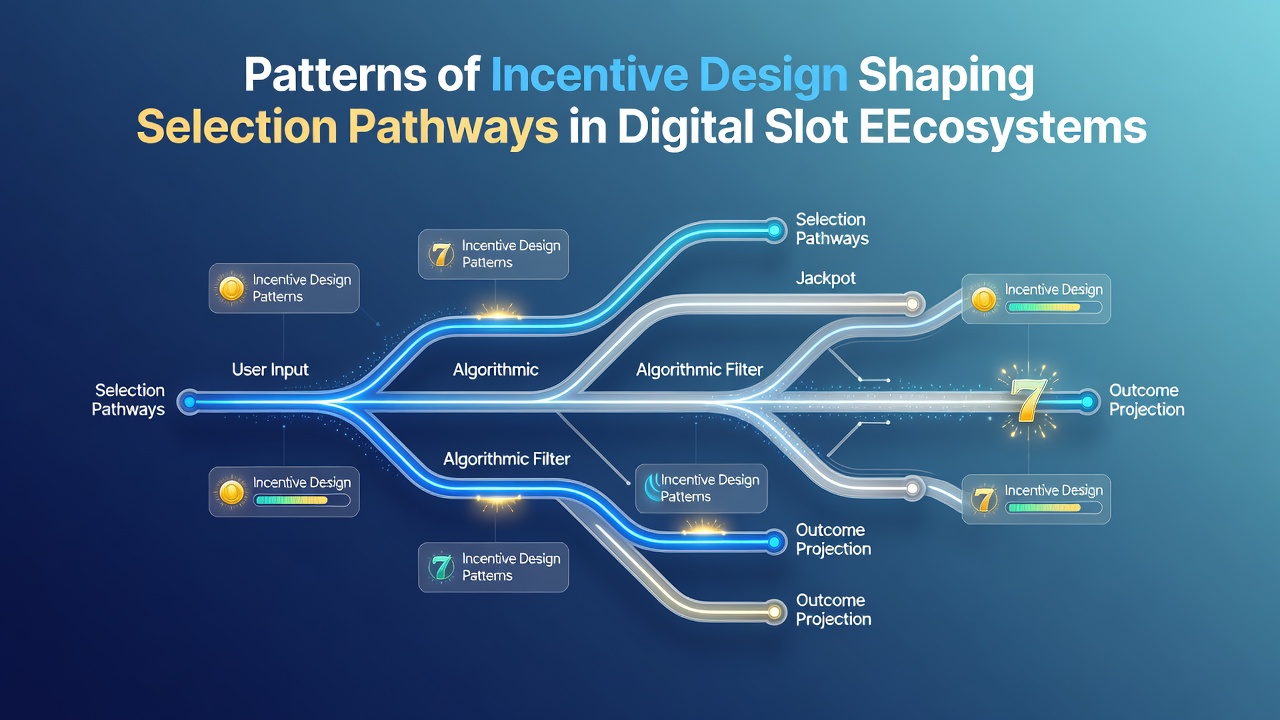
Studies from the American Gaming Association document that loyalty tier upgrades tied to volume on designated titles create compounding effects, where higher tiers unlock accelerated point earning on the same games that contributed to the upgrade. This feedback loop reinforces selection patterns over weeks rather than single sessions, and operators refine the thresholds quarterly based on retention metrics.
Regulatory Context and Geographic Variations
Different jurisdictions impose distinct constraints on how incentives may be presented, and these rules influence the granularity of selection steering. Canadian provincial frameworks require clear disclosure of wagering requirements attached to each bonus, which in practice leads operators to limit the number of titles eligible for promotional play. Australian state regulators have examined similar structures through the Australian Gambling Research Centre, finding that time-bound multipliers tied to specific games produce concentrated play patterns that align with platform revenue targets while remaining within permitted promotional boundaries.
Platforms operating across multiple regions therefore maintain parallel incentive libraries, each calibrated to local rules, and users in overlapping markets sometimes encounter different selection prompts depending on their registered jurisdiction. This segmentation preserves compliance while still directing traffic toward titles that best match the operator's current promotional calendar.
Measurement of Pathway Effectiveness
Telemetry systems record clickstream data from the moment a bonus appears through final game selection, and these logs allow operators to quantify how many users deviate from the promoted path versus those who follow it. When deviation rates exceed internal benchmarks, designers adjust visual weight, timing, or reward magnitude on the next campaign iteration. One longitudinal review covering the first half of 2026 showed that platforms introducing mid-session reminder notifications for unused bonuses experienced a measurable uptick in selections of the tagged titles compared with campaigns that relied solely on initial presentation.
Third-party analytics providers supply standardized reporting templates that isolate the contribution of each incentive layer to overall selection distribution, and operators use these reports to compare performance across titles with similar mathematics but differing promotional exposure.
Conclusion
Incentive design patterns continue to evolve as platforms integrate more granular player data with regulatory requirements, and the resulting structures shape which titles receive sustained attention within digital slot catalogs. Continued observation of these mechanisms across regions will clarify how selection pathways respond to both commercial objectives and compliance boundaries in the months ahead.