14 Jun 2026
Examining Reward Tier Interactions With Selection Pathways in Handheld Gaming Environments
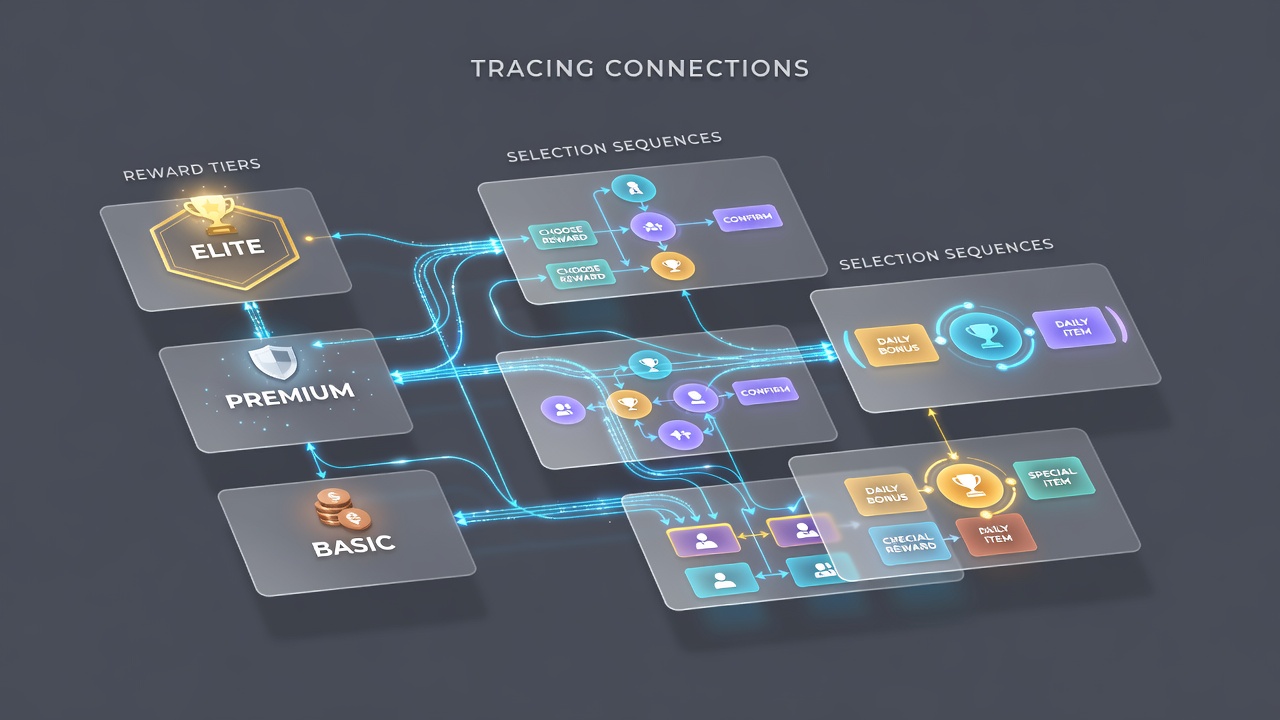
Layered reward tiers in portable gaming platforms connect directly to the sequences players follow when navigating game libraries and bonus menus, with data from industry reports showing structured progression paths that guide user decisions across multiple sessions. These systems organize player status into levels such as bronze, silver, gold, and platinum, each unlocking distinct benefits that influence which games or features users select next in mobile applications.
Structure of Tiered Rewards in Mobile Interfaces
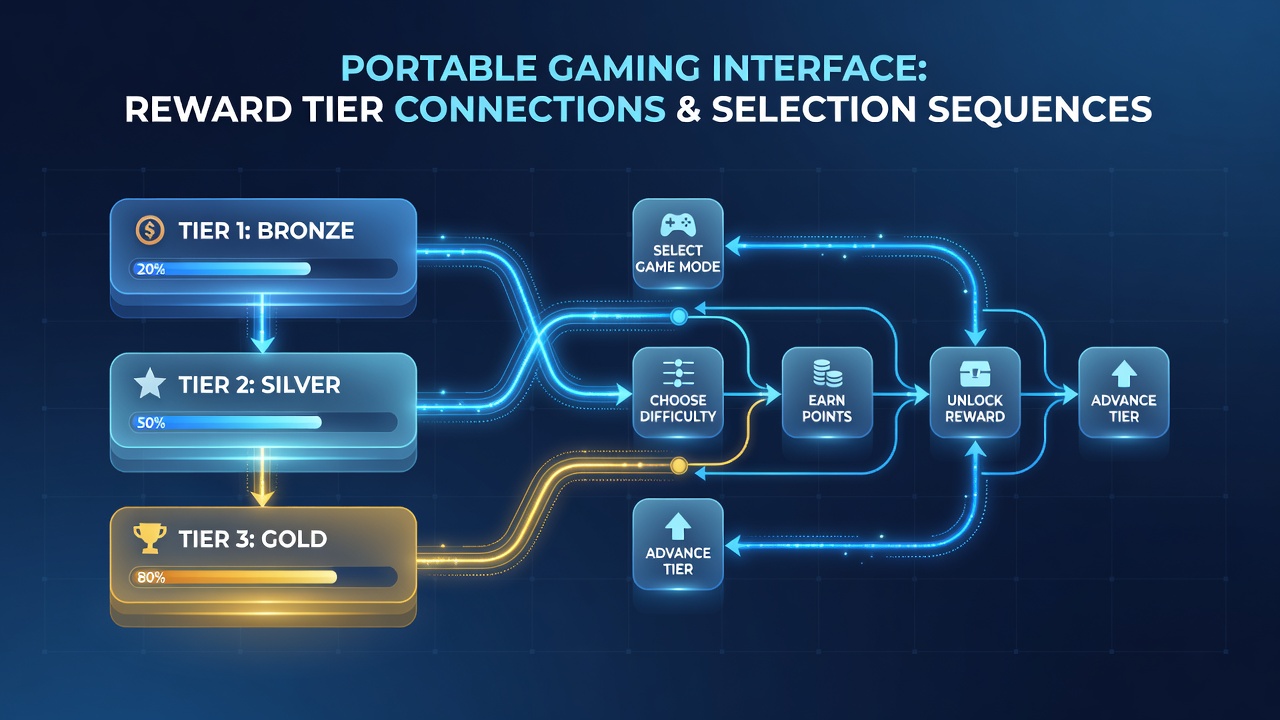
Developers design reward tiers so that advancement depends on accumulated playtime and wager amounts, while the interface presents these tiers through visual progress bars and pop-up notifications that appear after each completed round. Players advance through the layers by meeting thresholds, and the platform then adjusts available selections accordingly, such as offering higher-value table games or exclusive slot titles to those who reach elevated status. According to figures from the New Jersey Division of Gaming Enforcement, mobile platforms recorded a 28 percent increase in tier advancement activity during the first half of 2026, with many users shifting their choices toward games that accelerate progress within the reward structure.
Selection Sequences Shaped by Reward Layers
Selection sequences emerge when users interact with menus that prioritize options based on current tier status, so a player at a mid-level tier might encounter recommended sequences starting with bonus rounds before moving to standard play modes. Researchers at the University of Nevada, Reno documented how these sequences follow predictable patterns, where users tend to select high-reward features immediately after tier updates appear on screen. The connections become evident in how lower-tier players often begin sequences with free spin collections while higher-tier accounts proceed directly to progressive jackpot options, reflecting the platform's algorithmic adjustments to match status benefits.
Portable interfaces further integrate these elements by using swipe gestures and quick-tap buttons that streamline movement between reward claims and game launches, reducing steps in the sequence for advanced users. Data indicates that platforms employing dynamic menu reordering based on tier levels see users complete selection cycles 15 percent faster than those with static layouts, as reported in studies from the Australian Gambling Research Centre in June 2026.
Platform Adaptations Across Devices
Different portable devices handle these connections through optimized code that syncs reward data with real-time selection tracking, allowing seamless transitions when users switch between phones and tablets during a single session. Observers note that cross-device continuity maintains the same tier benefits and sequence suggestions, preventing disruptions that could alter player pathways. Industry associations such as the European Gaming and Betting Association have tracked how these adaptations support consistent engagement, with mobile traffic accounting for over 65 percent of all tier-related selections in monitored markets by mid-2026.
Algorithms map player history to future sequences by analyzing past choices at each tier, which leads to personalized prompts that appear at key decision points. Those who've studied interface logs find that gold-tier users frequently receive sequences directing them toward live dealer tables after completing slot rounds, whereas entry-level players see more emphasis on tutorial-linked selections that build foundational habits.
Regulatory Context and Data Patterns
Regulatory bodies in various regions require transparency in how reward tiers connect to selection mechanisms, so operators publish summaries of tier criteria and the resulting game access rules. The Nevada Gaming Control Board updated its guidelines in early 2026 to include mobile-specific reporting on sequence influences, revealing patterns where tier upgrades correlate with increased selections of high-volatility options. These disclosures help illustrate the factual links without implying intent, as platforms must demonstrate that sequences remain fair across all user levels.
Conclusion
Connections between layered reward tiers adn selection sequences in portable gaming continue to evolve through interface refinements and data-driven adjustments, with current patterns documented across multiple regulatory and research sources. The structures shape how users progress through options, supported by measurable activity reported through June 2026 and beyond. New Jersey Division of Gaming Enforcement reports and academic analyses from institutions like the University of Nevada, Reno provide ongoing evidence of these operational links in handheld environments.