19 Jul 2026
Certification Protocols Driving Shifts in User Engagement Across Regulated Online Gaming Platforms
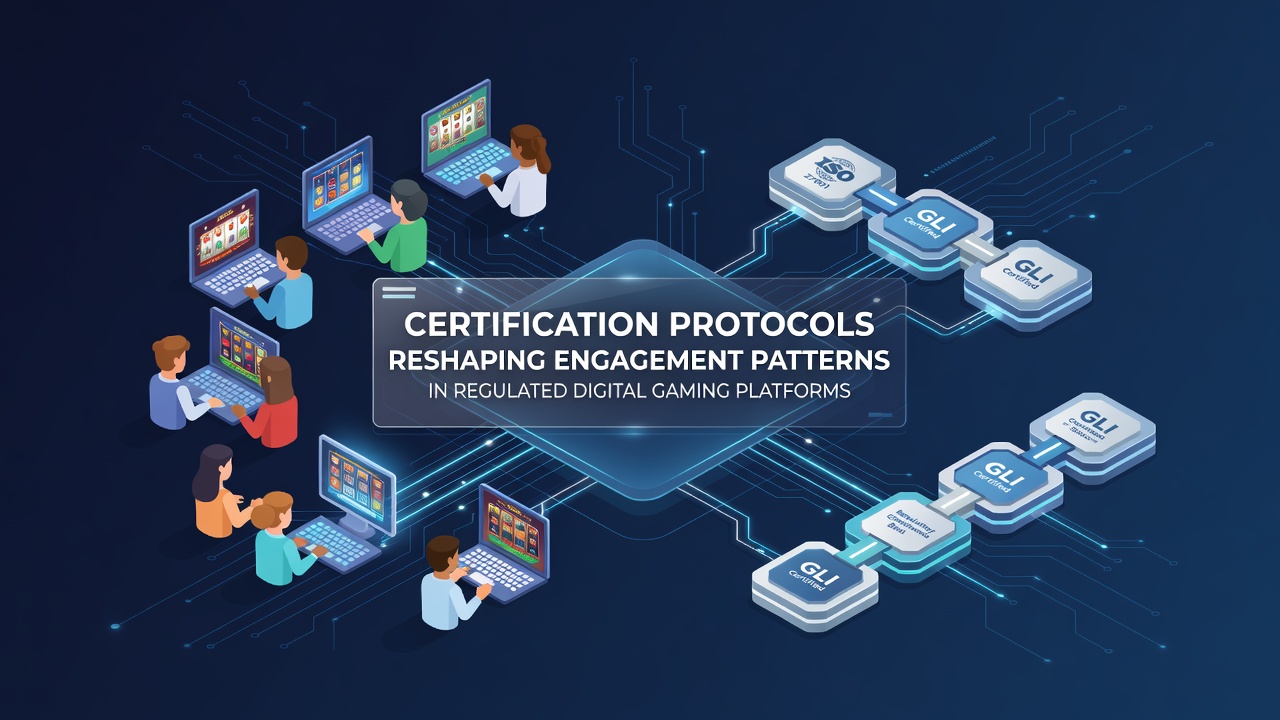
Certification protocols have become central to how players interact with regulated digital gaming platforms, and the effects show up in session patterns, bonus utilization, and device-switching behaviors. Regulatory bodies across multiple jurisdictions now require third-party verification for random number generators, platform security, and responsible gaming features before operators can launch or maintain services. These requirements create standardized environments where players encounter consistent fairness assurances that influence their choices during play.
Core Components of Modern Certification Frameworks
Certification bodies evaluate software integrity through repeated testing cycles that include RNG output mapping, payout percentage verification, and audit trails for every transaction. Platforms that achieve certification often display visible seals that players recognize during onboarding, and this visibility correlates with changes in how users approach promotional offers. Data from the Alcohol and Gaming Commission of Ontario indicates that certified platforms recorded measurable increases in average session duration during the first half of 2026 as players spent additional time exploring verified game libraries rather than switching between unverified sites.
Security protocols embedded in these certifications also cover data encryption standards and account protection mechanisms. When players know their personal and financial information meets audited benchmarks, engagement extends beyond initial deposits into repeated play cycles. Observers note that July 2026 saw several North American operators publish compliance reports that highlighted reduced chargeback rates on certified platforms, a development that regulators link directly to enhanced verification procedures.
Regional Implementation Patterns and Player Response
Different jurisdictions apply certification requirements at varying speeds, yet the resulting engagement shifts follow similar trajectories. In Pennsylvania, the Gaming Control Board expanded its certification scope in early 2026 to include mobile-specific testing suites, and operators reported subsequent adjustments in how players moved between desktop and handheld sessions. Certified mobile applications showed higher retention of bonus features because verification processes ensured consistent delivery of promotional mechanics across devices.
Australian regulatory updates through the Australian Communications and Media Authority further illustrate the pattern. Platforms that completed the new certification round demonstrated clearer separation between promotional content and core gameplay, which researchers at the University of Sydney documented in a 2026 study as contributing to more deliberate player decision-making around reward triggers. Those findings appear in the report published at acma.gov.au/gaming-compliance-updates.

Impact on Bonus Structures and Session Dynamics
Certification requirements often mandate transparent disclosure of bonus terms, which alters how players interact with promotional incentives. Instead of rapid bonus chasing across multiple platforms, users on certified sites tend to complete wagering requirements within single sessions because the rules remain stable and auditable. This stability reduces the fragmented behavior previously observed when operators changed terms without external verification.
Platform operators that integrated certification early also adjusted their reward tier systems to align with compliance metrics. Players who advance through these tiers encounter verified milestones that maintain consistent payout mapping, and engagement data collected through July 2026 shows sustained participation rather than abrupt drop-offs after initial rewards. Industry reports from the International Association of Gaming Regulators note that such alignment produces steadier revenue curves for operators while extending individual player lifecycles.
Cross-Device Behaviors Under Certified Conditions
Certification protocols increasingly address synchronization between devices, requiring operators to maintain identical game states and account balances across platforms. Players respond by extending play across multiple sessions on different hardware because they trust the continuity. This pattern contrasts with earlier periods when uncertified environments prompted frequent logouts and restarts due to discrepancies.
Those who've examined session logs from certified platforms observe that multi-device users now complete more of their activity within verified ecosystems, reducing migration to unregulated alternatives. The verification process itself acts as a signal that encourages longer cumulative engagement rather than short, exploratory visits.
Conclusion
Certification protocols continue to reshape engagement patterns by establishing verifiable standards that players recognize and respond to during daily interaction with regulated platforms. As more jurisdictions adopt expanded testing requirements through 2026, the documented shifts in session length, device usage, and promotional participation provide clear indicators of how compliance infrastructure influences behavior across digital gaming environments.