9 Jul 2026
Audio Engineering and Its Effects on Decision Thresholds in Mobile Slot Promotions
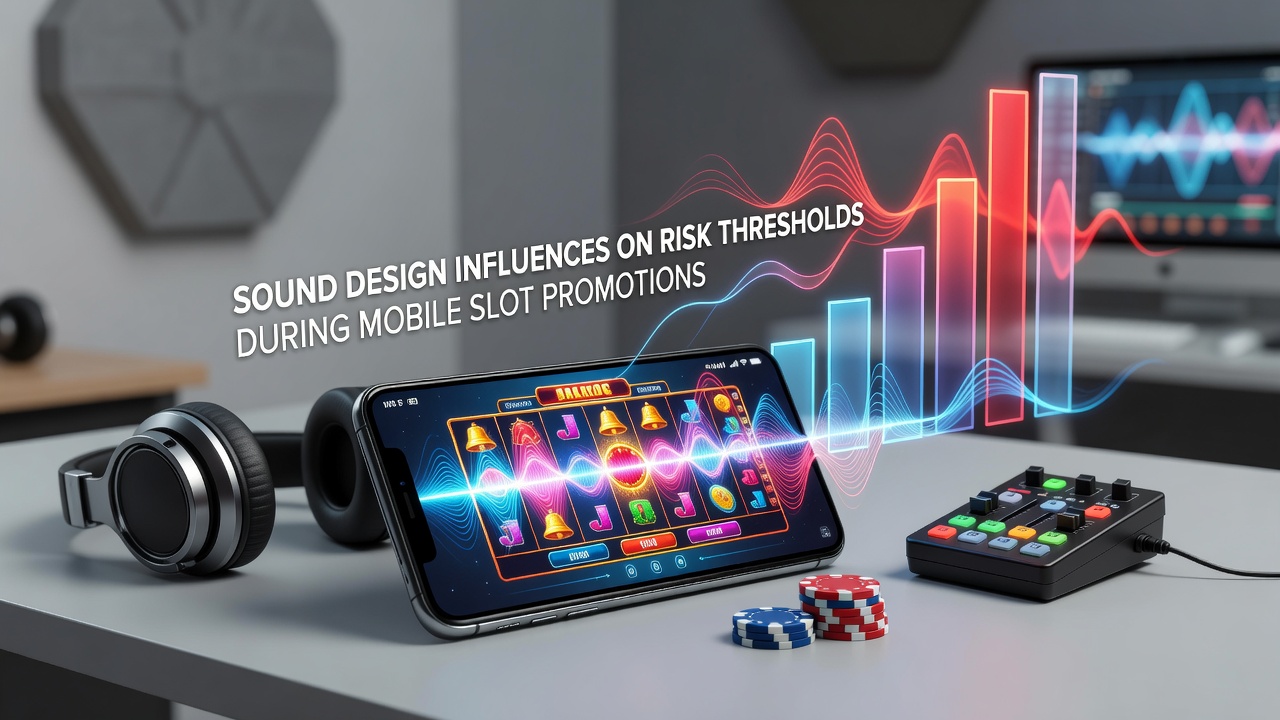
Sound design in mobile slot promotions operates through layered audio cues that align with game mechanics and incentive structures, and researchers have documented how these elements interact with player risk assessment processes across various platforms. Studies from academic institutions indicate that specific frequency ranges and rhythmic patterns can alter the point at which individuals adjust their betting behavior during limited-time offers, particularly when promotional multipliers or free spin sequences activate alongside distinct sonic signatures.
Core Components of Slot Audio Systems
Developers construct mobile slot soundscapes using layered tracks that combine ambient loops, event-triggered stingers, and progressive volume swells, and data from industry reports show these components synchronize with reel outcomes to create temporal associations between sound and reward probability. When promotions introduce temporary boosts such as enhanced payout tables or accumulated bonus meters, the corresponding audio shifts often emphasize higher-frequency elements or accelerated tempos that coincide with decision points where players evaluate whether to increase wager sizes.
Regulatory bodies in multiple jurisdictions, including the Nevada Gaming Control Board, have noted requirements for transparent audio signaling during promotional periods, yet the psychological mechanisms remain consistent across compliant implementations. Observers note that win celebration sequences typically employ ascending melodic phrases paired with percussive accents, and these patterns appear in session data to extend play duration even when net returns remain statistically neutral.
Psychological Pathways Linking Sound to Risk Evaluation
Research conducted through university laboratories has identified correlations between specific decibel thresholds and changes in risk tolerance metrics, where elevated audio intensity during promotional windows corresponds with measurable shifts in the frequency of max-bet selections. Participants in controlled simulations demonstrate faster response times to spin initiation commands when background tracks incorporate subtle dissonance resolutions that resolve upon reel stops, and these responses occur independently of actual payout values displayed on screen.
One analysis of aggregated mobile gaming telemetry revealed that promotional campaigns featuring customized audio variants produced higher average bet adjustments within the first fifteen minutes of engagement compared to identical visual frameworks using standardized sound packs. The patterns hold across different device types and operating systems, suggesting the effect stems from auditory processing rather than interface variables alone.
Promotional Mechanics and Audio Synchronization
Mobile platforms integrate sound triggers directly into bonus round activations, and figures from platform analytics indicate that synchronized chimes during multiplier displays influence the timing of subsequent deposit actions. When limited-time events feature countdown timers accompanied by pulsing low-frequency tones, session logs show increased continuity in play sequences even after initial promotional credits reach depletion.
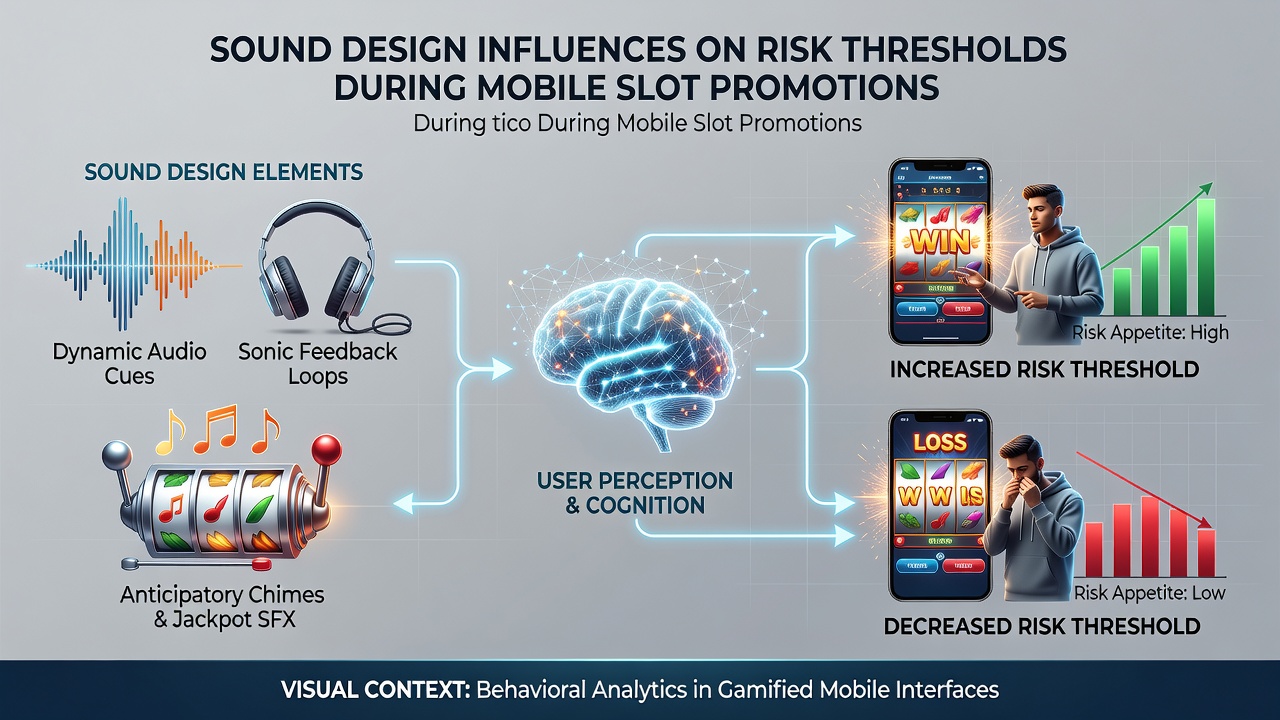
Industry organizations such as the American Gaming Association have compiled datasets on incentive structures, and cross-referenced findings demonstrate that audio customization in July 2026 campaigns coincided with documented variations in player retention curves during peak promotional hours. Those who examined the telemetry note that distinct audio profiles for progressive jackpot contributions appear to calibrate expectations around volatility without altering the underlying random number generation parameters.
Regional Variations in Implementation Standards
European regulatory frameworks, including those administered by the Malta Gaming Authority, require clear differentiation between standard and promotional audio states to prevent misinterpretation of event probabilities. Canadian provincial oversight bodies have similarly examined how regional operators deploy sound libraries during cross-border mobile promotions, and comparative reports highlight differences in frequency emphasis that correlate with jurisdiction-specific player behavior aggregates.
Academic papers published through institutions in Australia have explored longitudinal effects of repeated exposure to promotional sound sets, finding that habituation occurs at different rates depending on the consistency of audio-reward pairings. These studies provide baseline measurements that operators reference when calibrating new campaign audio assets for mobile deployment.
Technical Integration and Measurement Approaches
Engineers embed metadata tags within audio files that enable real-time analytics platforms to correlate specific cue activations with subsequent player actions, and this tagging system supports granular examination of risk threshold modifications during active promotions. Session heatmaps generated from such systems reveal clusters of increased wager variability that align temporally with particular sound events rather than visual or textual prompts alone.
Platform providers continue to refine these integrations as mobile hardware capabilities expand spatial audio options, yet core principles of cue timing and harmonic structure remain central to observed behavioral patterns across markets.
Conclusion
Available evidence from regulatory records, academic investigations, and platform telemetry establishes that sound design functions as an active variable in shaping risk thresholds during mobile slot promotions. Continued documentation of these interactions supports more precise calibration of audio elements alongside mechanical and visual components in promotional environments.